Replumbing a house means replacing the hot and cold water supply pipework, sometimes along with the waste pipes, and sometimes the central heating pipework too. If you are researching plumbing installation costs, you will find that quotes in 2026 vary enormously because jobs are described differently by different tradespeople. Because the scope changes from house to house, your quote must say exactly what is included, and a written itemised quote from several plumbers is the only reliable figure.
What replumbing a house means
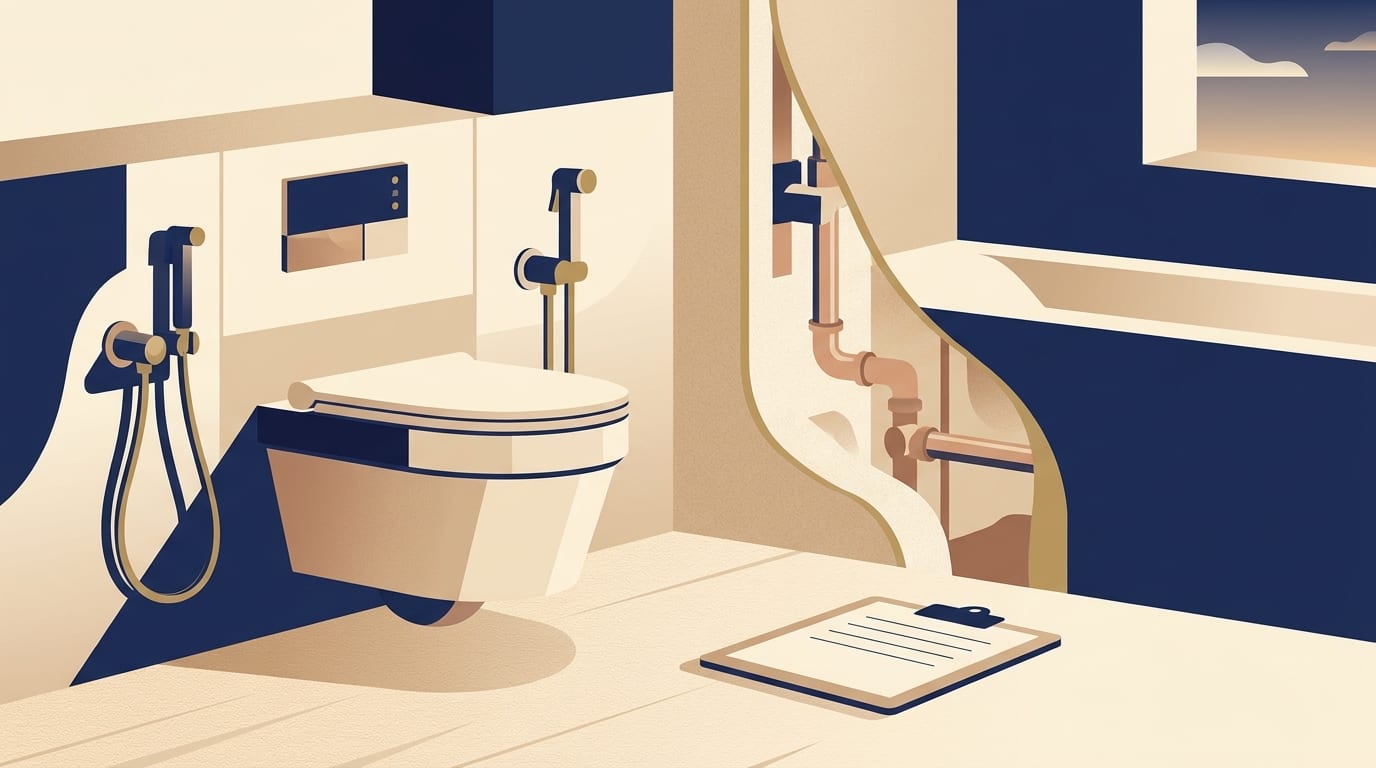
A full replumb is a major project that strips out the old, failing pipework hidden in your walls and floors and replaces it with modern materials. The job replaces the hot and cold supply pipes that feed your taps, showers, toilets and domestic appliances, and sometimes the waste pipes that carry dirty water away.
Many older homes still rely on outdated plumbing setups, such as a gravity fed cold water tank in the loft. Your plumber may recommend replacing the tank with a mains fed system. Depending on what you agree with your plumber, the work might stop at the water supply, or it might extend to the central heating pipework that connects your boiler to your radiators.
A boiler replacement or fitting new radiators is a separate job and an additional cost. If your heating system is also old and inefficient, you can read the central heating installation cost guide to understand what a full system upgrade involves.
Signs your pipework may need replacing
Pipework is mostly hidden under floors and behind walls, making it difficult to spot deterioration until a problem occurs. Older properties built before the 1970s are especially prone to plumbing issues because the materials used at the time have a limited lifespan. You should look out for these common signs that your pipes are reaching the end of their usable life.
- Brown or discoloured water running from your taps
- Poor water pressure, especially in upstairs bathrooms
- Frequent leaks or bursts in different parts of the house
- Banging, knocking or vibrating pipes when you turn a tap off
- Outdated materials such as lead pipes or galvanised steel
- Narrow iron supply lines that restrict the flow of water
- An old gravity fed cold water tank sitting in the loft
What replumbing a house typically costs
This table shows national average prices for replumbing based on property size.
|
Property size |
Typical replumbing cost |
|---|---|
|
1-bed house or flat |
£6,000 to £9,000 |
|
2 to 3-bed house |
£11,000 to £16,000 |
|
4-bed house |
£16,000 to £22,000 |
|
5 bed+ house |
£22,000 to £28,000 |
These figures are typical 2026 prices, and your local quotes will differ based on your property layout and what the plumber includes.
Older properties often land at the higher end of these brackets because of hidden complications. Tradespeople answering a question between March and May 2026 gave their own estimates for an older three-bedroom house in Manchester. The answers range widely and several included heating or bathroom work, so the figures are not directly comparable with the table.
- £2,000 to £3,500
- around £3000 for a full new re plumb
- 2500 to 4500 would be normal
- £4,000 to £8,000
- full replumb £4k to £8k
- roughly £13,000 to £20,000+
- £15,000 to £20,000
The tradespeople noted that the final price depends on property age, pipe access, whether floors or walls need opening, bathroom moves, whether a boiler is included, and the overall specification. Because prices differ widely, a written itemised quote from several plumbers is the only reliable figure.
Why quotes vary so widely
The vast difference in pricing comes down to how a plumber defines a replumb and the specific challenges your house presents. Property age and condition play a major role, as pre 1970s homes often feature patchy repairs and difficult layouts that take longer to strip out. Pipe access is another significant factor. Reaching pipes hidden behind solid plaster or expensive tiling costs much more in labour than lifting standard timber floorboards.
Region matters too. You could easily pay 25 to 40 per cent more in central London than in the North of England or Wales. The final price can also depend on whether you are moving bathroom fixtures to new locations, which may need new waste and supply routes.
The scope of the job changes the figure a great deal. Tradespeople also gave £2k to £5k for basic plumbing updates, £5k to £10k+ for a full heating system upgrade, £8k to £15k+ for a complete plumbing and heating overhaul and £18,000 to £22,000 for a total rip out and refurbishment. If you are adding a modern suite as part of the project, the new bathroom installation cost guide explains how fittings and tiling affect the final bill.
Copper or plastic pipe
When you hire a plumber to replace your pipework, they will usually suggest either copper or plastic pipes, and sometimes a mixture of both. Each material has distinct advantages, and the choice will affect both the cost of the materials and the time it takes to complete the installation. Your plumber will recommend the best option based on the layout of your home and your budget.
Copper lasts longer but is more expensive and slower to install. Copper makes neat, rigid pipe runs. Because the raw material costs more and the labour takes longer, a full copper replumb will sit at the higher end of your quotes.
Plastic pipe, often known as PEX, is cheaper and easier to run, especially in tight spaces. It comes in long, flexible coils that a plumber can feed through joists and tight spaces with much less jointing. The joints are usually push fit or crimped, which speeds up the installation process significantly. Plastic can suit older homes where access is limited. Ask your plumber which material suits each part of the job.
How long it takes and the disruption
Replacing all the pipes in a house is a highly disruptive process that affects almost every room. Plumbing jobs of this scale can take weeks to complete, depending on the size of the property and the complexity of the pipe runs. If you are living in the house while the work happens, you must be prepared for the water to be turned off for days at a time.
To reach the old pipes and install the new ones, the plumber has to open up the structure of the house. Floorboards will be lifted, holes will be cut in walls, and the plumber may need to open up ceilings or tiled areas. The house will be noisy, dusty and chaotic. Furniture and carpets may need to be moved to give the plumber access.
It is vital to understand that a plumber's quote usually covers the plumbing work only. Restoration is extra. Once the pipes are in and tested, you will have to pay other tradespeople for replastering, replacing flooring, tiling and decoration to put the house back together. You must budget separately for these finishing costs.
Rules and approved plumbers
General water plumbing does not require a legal licence, which is why qualifications and approved schemes matter. The water company is responsible for the main and the pipe up to the property boundary. The property owner is responsible for pipes on their land and inside the building.
The Drinking Water Inspectorate states that owners and anyone doing plumbing work must ensure it meets the Water Fittings Regulations 1999. These regulations exist to keep drinking water safe and prevent waste. WaterSafe states that anyone who is planning most types of plumbing work must inform their local water supplier, and gain approval, before they start. This rule extends to homeowners, landlords, tenants, developers, building managers and plumbers, with Northern Ireland and Scotland having additional requirements.
The safest way to ensure your replumb meets all regulations is to hire an approved professional. The Drinking Water Inspectorate recommends you select a plumber who is a member of the WaterSafe scheme. WaterSafe is the national register of approved plumbers, with approved contractor schemes run by APHC, CIPHE, SNIPEF and WIAPS. Members are trained in the water regulations, and approved contractors can carry out some work without the need to provide advanced notification to the water supplier. These approved businesses carry public and employers' liability insurance, offer an independent complaints procedure and are audited to ensure high standards.
Lead pipes and older homes
Homes built before 1970 may have lead pipes supplying the drinking water. Lead was commonly used for the incoming supply pipe and sometimes for internal pipework, but it poses a health risk when it dissolves into drinking water.
You can often spot lead pipes where the supply enters the house near the internal stop tap or stopcock. Unpainted lead looks dull grey and is soft, and gently scraping it with a coin reveals shiny silver metal. If you find lead pipes, you must use a qualified plumber, such as one accredited through WaterSafe, to replace them safely.
The Drinking Water Inspectorate advises that you must notify your water company when replacing lead pipework. You can find more detail on this process in the guide to lead water pipe replacement for older homes.
How to compare quotes
Because prices differ widely, comparing quotes on a single bottom line price is a mistake. An estimate is just a rough guess, whereas a quote is a fixed price for the work described. You need a proper written quote from at least three different plumbers, and each document must list exactly what is included and what is excluded.
A good quote breaks down the job into clear sections so you can see where your money is going. If one quote is vastly cheaper than the others, it may mean that plumber has excluded part of the work or plans to use cheaper materials. You should check every quote against a standard list of requirements to ensure you are comparing like for like.
- Whether the price includes replacing the main supply pipe from the boundary
- If the quote covers hot and cold water pipes only, or includes waste pipes
- Whether central heating pipes, radiators and boiler connections are included
- The type of pipe material being used for the installation
- Whether the plumber will lift and relay floorboards, or if you must arrange this
- If waste removal and the disposal of old tanks and pipes is covered
- Whether the price includes VAT, parts and all necessary materials
Common questions
Do I need to move out during a replumb?
Plumbing jobs can take weeks and occupied homes may be without water for days at a time. The disruption involves floorboards being lifted, holes cut in walls, and significant dust and noise across the entire property. Whether to stay in the house is a decision to talk through with your plumber when you compare quotes.
Can you replumb a house room by room?
It is possible to replace pipework in sections, especially if you are renovating one bathroom at a time, but doing the job in stages can mean repeated disruption, so ask each plumber to say in the quote whether they would phase the work.
Does replumbing include new radiators?
A standard replumb replaces the hot and cold water supply pipes and sometimes the waste pipes. A boiler or radiators are a separate job and an additional cost. If you want the central heating pipes and radiators replaced at the same time, you must ask the plumber to include a full heating system upgrade in your written quote.
Will my water pressure improve?
If your poor water pressure is caused by narrow iron supply lines, old lead pipes or a build up of scale, a replumb with modern pipes may improve the flow. Replacing an old gravity fed cold water tank with a mains fed system may also help pressure to upstairs taps and showers. A replumb cannot fix poor pressure if the water main in your street is lacking pressure to begin with.
Next steps
Before you hire a plumber to replace your pipework, take the time to plan the project carefully. A replumb is a major investment, and missing a crucial step can lead to delays, extra costs, and compliance issues with your water supplier.
- Check your home for signs of failing pipework, such as discoloured water or frequent leaks.
- Look near your internal stop tap for dull grey lead pipes if your home was built before 1970.
- Decide whether you want to upgrade your central heating pipes and radiators at the same time.
- Ask three local plumbers for a written, itemised quote that states exactly what is included.
- Check that your chosen plumber is a member of the WaterSafe scheme.
- Ensure your plumber notifies the local water supplier before work begins if required.
- Budget separately for the restoration work, such as replastering and redecorating.
When you are ready to start gathering quotes and comparing local professionals, you can find a plumber near you to discuss your property and get a fixed price for the work.
Find a top rated plumber near you
4,869 plumbers across the UK, each ranked on their Google rating and the number of reviews behind it. Start with your county: