A thermostatic radiator valve is the control with a numbered dial on your radiator that senses the room temperature and opens or closes the flow of hot water to keep that space at your chosen setting. Turning the dial to a higher number does not heat a room faster, as the valve only controls the temperature at which the radiator stops heating. Fitting a new one is a job for a plumber or heating engineer, and this typically costs £70 to £140 per radiator in 2026.
What a thermostatic radiator valve does
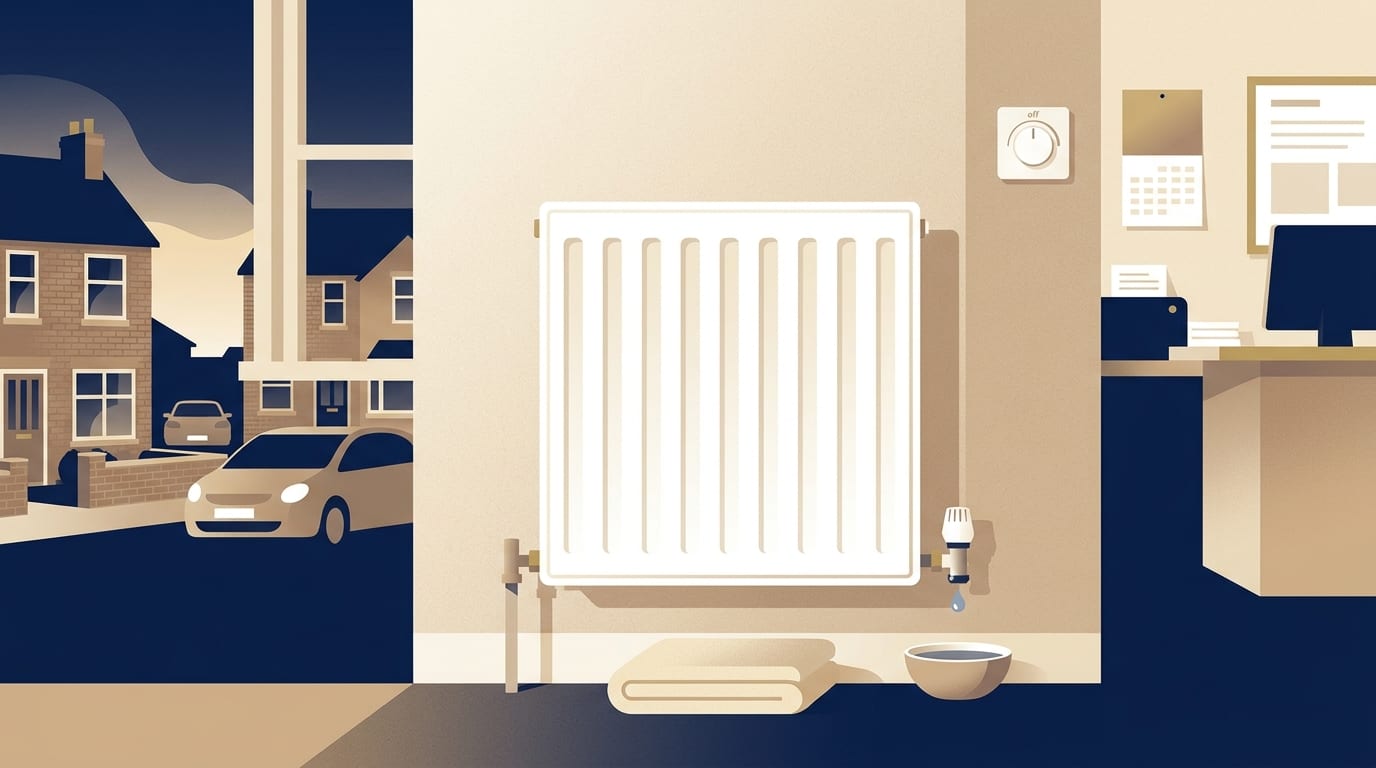
A standard radiator setup relies on three main parts. The head is the plastic dial part that you turn to select a number. Inside this head is a liquid or wax capsule that expands as the room warms up. This expansion physically pushes a metal pin down into the valve body below it.
The valve body is the brass section connected directly to your copper pipe. As the pin pushes down, it restricts the hot water entering the radiator. On the opposite end of the radiator sits the lockshield valve. This is covered by a fixed plastic cap and is used by the heating engineer to balance the system.
The lockshield valve ensures water flows evenly to all radiators across the house. Thermostatic radiator valves do not control the boiler directly. They simply limit the water entering one specific radiator based on the temperature in that space.
If the room is cold, the valve opens fully to let hot water in. Once the room reaches the temperature matching the number on the dial, the valve closes. The radiator will then cool down, even while the heating remains on in the rest of the house. As the room cools again, the valve opens to let more hot water flow through.
How your heating controls work together
Your central heating relies on several controls working at the same time. The government advice on heating controls states that thermostatic radiator valves work alongside a programmer and a room thermostat. The programmer sets the times when the heating turns on and off during the day.
The boiler thermostat is normally set to high. The heating levels are then controlled using the room thermostat and the thermostatic radiator valves. The room thermostat turns the heating off whenever the room goes above the set temperature. This ensures the boiler is not using energy when the home is warm enough.
The government factsheet advises keeping the room thermostat between 18°C and 21°C. While the room thermostat controls the main temperature for the house, the radiator valves let you fine tune individual spaces. If you prefer a cooler bedroom, you set the valve in that room to a lower number. The boiler will continue to run until the main room thermostat is satisfied, but the bedroom radiator will stop heating early.
Does every radiator need one
You do not necessarily need a thermostatic valve on every radiator in your home. The main advantage is that they let you turn the heating down or off completely in rooms you are not using. This stops you paying to heat empty spaces.
Installing and correctly using a full set of heating controls could save you around £80 to £165 a year. This figure is a 2016 estimate for a family of four sharing a three-bedroom semi-detached home. The actual amount you save will depend on the size of your property and how you use your heating.
Manual valves simply stay open or closed regardless of the room temperature, so they cannot hold a room at a set temperature the way a thermostatic valve does. Thermostatic valves let you turn heating down in rooms you are not using. You can read a radiator replacement cost guide to understand the broader costs of updating your heating system.
Where a valve should and should not be fitted
A radiator in the same room as the main room thermostat is not a good place for a thermostatic radiator valve. The two controls will conflict with each other. If the radiator valve shuts off the heat early, the main thermostat will never see the room warm up.
Because the main thermostat never reaches its target temperature, it can keep asking the boiler for heat. This is why the radiator in the same room as the main thermostat is usually best left without a thermostatic valve, or with its valve left fully open.
Rooms where heating needs change through the day, such as bedrooms, spare rooms and dining rooms, suit these valves best. Ask your engineer about any radiator that is the only one left open on a circuit.
What fitting a thermostatic radiator valve costs
The price you pay depends on the cost of the parts and the labour required to drain the system. The table below shows typical 2026 prices for the parts and the fitting process.
|
Item or service |
Typical cost |
|---|---|
|
Fitted thermostatic radiator valve (per radiator) |
£70 to £140 |
|
Standard valve only (part cost) |
£15 to £50 |
|
Smart radiator valve (part cost before fitting) |
£50 to £100 |
|
Basic drain, refill and inhibitor treatment |
£80 to £180 |
These figures are typical 2026 prices, and your local quotes will differ based on your location and the system type.
Fitting a valve body usually means draining the radiator or part of the system. This is why you need a plumber or heating engineer to carry out the work. The drain down step alone takes an estimated 30 to 60 minutes.
A thermostatic valve and lockshield valve pair typically costs £25 to £100 before fitting. If you are doing a full house radiator swap, the system is already drained down, which makes adding new valves more cost effective. For a single radiator, the engineer must drain that specific radiator to do the work.
Replacing the head or the whole valve
You can sometimes fix a faulty valve by replacing the head only. The head contains the sensor and the dial, and it simply screws or clips onto the top of the valve body. If the valve body on the pipe is leaking or the internal pin is completely seized, you must replace the whole valve.
Tradespeople answering a consumer question in late 2024 gave varying informal estimates for this work. They suggested replacing a valve head only costs about £50, or £30 in labour. For a full valve, estimates were about £60 including the part, £80 including draining, refilling and inhibitor, £90 plus VAT, or £80 to £120 depending on the pipe location.
Some tradespeople noted that the head can be replaced without removing the valve body on a good brand. Another engineer said the valve must be bought as a complete part. The exact cost will depend on whether your current valve brand sells replacement heads separately, and whether the existing valve body is in good enough condition to keep.
Smart radiator valves and what they add
Smart radiator valves replace the standard manual dial with an electronic head. They usually cost £50 to £100 each before fitting and before the cost of any required hub.
These devices let you set a different heating schedule for each room. Instead of turning a dial by hand, you manage the temperatures through an app on your phone or tablet. The smart head contains a small battery powered motor that physically pushes the valve pin up and down based on your app settings.
Many smart valves require a central hub plugged into your internet router. The hub communicates wirelessly with all the smart valves around your house. You can read a smart thermostat installation cost guide to understand the wider system setup and how these hubs connect.
The process of draining and fitting
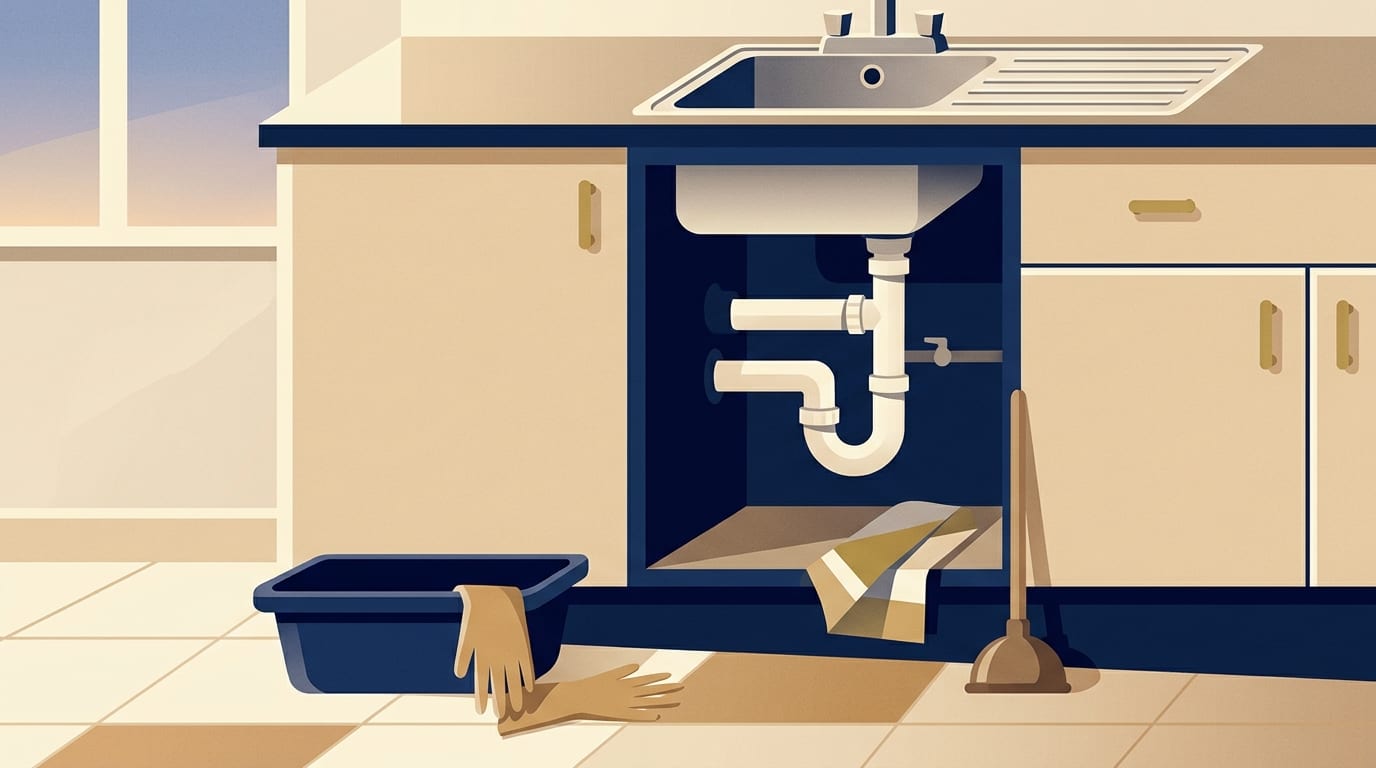
Replacing a valve body requires breaking the watertight seal on your heating pipes. The engineer will first turn off the heating and allow the system to cool down to prevent burns. They will also lay down sheets to protect your floors from dirty radiator water.
The engineer must remove the water pressure from the system. If you have a combi boiler or a system boiler, the heating circuit is pressurised. The engineer will release this pressure and open a drain valve to let the water out. If you have a regular heat only boiler, there will be a feed and expansion tank in your loft. The engineer will need to tie up the ball valve in the loft tank to stop it refilling the system while they work.
Once the water level drops below the radiator, they loosen the nuts holding the old valve. They remove the old brass body and clean the copper pipe. They fit the new valve body and tighten the nuts over a new copper or brass olive to create a fresh seal.
They then close the drain valves and refill the system. For a combi boiler, they use the filling loop until the pressure gauge reaches the correct level. For any adjustments to boiler controls or pressure later, you should refer to your manufacturer instructions. They will add a chemical inhibitor during this process to protect your radiators from internal rust. Finally, they bleed the air out of the radiators and test the heating.
Hiring a plumber and what to ask
Many plumbers are also heating engineers, but not all plumbers are registered to work on gas. Fitting a radiator valve is a plumbing job on the heating pipes, not on the boiler. If your job also involves a gas pipe or repairing the boiler itself, the law requires a Gas Safe registered engineer.
Repairs and small jobs are usually charged by the hour or as a minimum charge. Plumbers often apply a call-out fee that covers the first hour of work. Evenings, weekends and bank holidays carry a premium rate. Defined jobs such as fitting a full set of valves across the house are usually quoted as a fixed price.
A quote is a fixed price that cannot change without your agreement. An estimate is a rough guess that can increase if the job takes longer than expected. Plumbers in London and the South East will charge more than those in other regions.
Ask your plumber these questions before you agree to the work:
- Are you providing a fixed quote or an hourly estimate
- Does the price include the supply of the new valves
- Is VAT included in the final figure
- Will you add fresh inhibitor when refilling the system
- Do you charge a premium for evening or weekend work
- Will you take the old valves and packaging away
Consumer rights and paying safely
Under the Consumer Rights Act 2015 a service must be carried out with reasonable care and skill. If the new valve leaks or the installation is poor, you can ask for the work to be put right at no extra cost.
Services arranged by phone, online or at your home usually carry a 14-day cooling-off period. This allows you to cancel the contract without penalty. This right does not automatically apply to urgent repairs you have specifically asked the plumber to carry out quickly. You can find official guidance on these consumer rights through Citizens Advice.
Never pay large cash amounts up front before any work begins. A trustworthy plumber will provide a written quote before starting and a detailed invoice once the job is finished. Paying by bank transfer or credit card leaves a clear paper trail if you need to dispute the work later. There is no legal licence for general water plumbing, so you should check if the plumber is part of an approved scheme like WaterSafe.
Common questions
Do thermostatic valves heat a room faster?
Turning the dial to a higher number does not heat the room more quickly. The government myth busting advice explains that the thermostat only controls the temperature at which the heating turns off. The dial sets the temperature at which the valve closes, not how quickly the room warms up.
What is the lockshield valve for?
The lockshield valve is the smaller valve on the opposite end of the radiator. It usually has a fixed plastic cap that does not turn easily. The heating engineer uses this valve to balance the system, ensuring the hot water from the boiler is shared equally among all the radiators in the house.
Can I change a radiator valve myself?
Some tradespeople say the head can be replaced without removing the valve body, but the new head must suit the valve you have, so ask your plumber before buying one. Changing the metal valve body requires draining the radiator and making watertight connections on copper pipes. This carries a high risk of water damage, so you should hire a plumber for it.
Do I need to drain the system to fit a new valve?
You do not always have to drain the entire central heating system. For a single radiator, the engineer can often isolate and drain just that one unit to swap the valve. If you are having multiple valves fitted across the house, they will usually drain the wider system.
Why is my radiator still cold with a new valve?
A cold radiator can be caused by trapped air at the top of the panel, or a system that has not been balanced correctly. You can read a how to bleed a radiator guide to safely release any trapped air and check if this solves the problem.
Next steps for your heating
If you are ready to upgrade your heating controls, follow these steps to get the right outcome:
- Check which rooms already have thermostatic valves and which have manual ones
- Note down whether your main room thermostat is wireless or fixed to a wall
- Decide if you want standard manual dials or smart electronic valves
- Ask three local plumbers for a fixed written quote to supply and fit the valves
- Confirm that the quote includes fresh chemical inhibitor for the system
Taking control of your heating can make your home much more comfortable. When you are ready to start, you can find a plumber near you to inspect your radiators and provide a clear quote.
Find a top rated plumber near you
4,869 plumbers across the UK, each ranked on their Google rating and the number of reviews behind it. Start with your county: